Chinese New Year 2026: The Anticipated Impact on Global Freight and Shipping
Each year, the Chinese New Year presents one of the most challenging periods in the global logistics calendar. In 2026, the Lunar New Year will fall on the 17th February and its effects on international freight, shipping capacity, and supply chains will be felt around the world - not just in Asia.
If you’re importing or exporting, then Chinese New Year represents more than just a short public holiday, it’s a period of disruption that can last from six to eight weeks, and effective pre-planning is key to minimising problems.
.png)
How Does Chinese New Year Impact Global Supply Chains?
China is arguably the world’s largest manufacturing hub and produces everything from textiles and personal devices, to packaging materials and industrial materials. Because of this, any national shutdown - even if it’s temporary - creates a ripple effect that can spread internationally across global trade routes.
It’s important to understand that Chinese New Year prompts millions of workers in China to travel back to their home provinces. This means that due to worker shortages, many factories close their doors totally, while others choose to operate at a reduced capacity for weeks before and after the holiday.
Once factories eventually reopen, the recovery doesn’t happen overnight. It can take a considerable amount of time for production to return to normal as their workers return and the supply chains rebalance.
The result is a surge in demand before the holiday, followed by a sharp slowdown, some congestion, and then finally the recovery period.
The Pre-Holiday Rush
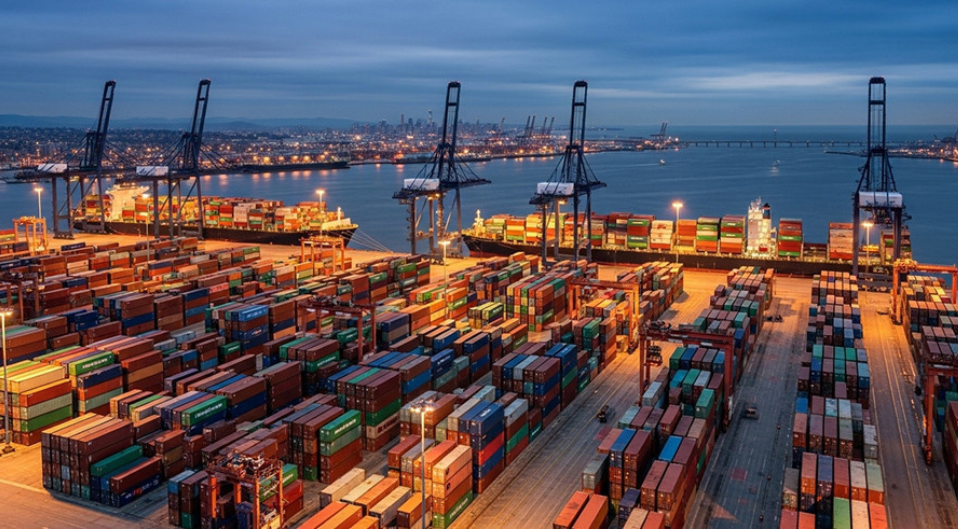
In the weeks leading up to Chinese New Year, the demand for freight services is expected to significantly increase as manufacturers and exporters push to ship as much cargo as possible before the disruption begins. Meanwhile, buyers from overseas are looking to build inventory to counteract the upcoming disruption.
‘Front-loading’ shipments like this places major pressure on the capacity of ocean, air, and road freight networks. The availability of containers reduces, space for vessels fills quickly, and lead times are dramatically impacted. Some carriers introduce peak season surcharges and spot rates can rise as shippers compete for space that is now limited.
Although air freight is faster than ocean freight, it’s not immune to the disruption. Particularly when it comes to high-value or time-critical goods, reduced availability and volatile pricing might occur as capacity is recalculated and reallocated.
Factory Closures and Manufacturing Slowdowns
As the Chinese New Year approaches, factories across China begin to wind down their operations. Many stop accepting new orders well before the holiday in order to focus on clearing their existing production commitments instead. When it comes to full shutdowns, these typically last between one and two weeks, but partial closures and reduced outputs can extend for much longer.
On top of this, workers may not always return on the same day, and some might choose to change employers forcing factories to recruit and train new staff. Factors such as these mean that the post-holiday recovery period can be underestimated as the restart of production can be slowed and create knock-on delays for outbound shipments.
As a result, global buyers may face longer lead times, reduced flexibility, and an increased risk of stock shortages if they don’t place their orders early enough.
Port Congestion and Network Imbalances
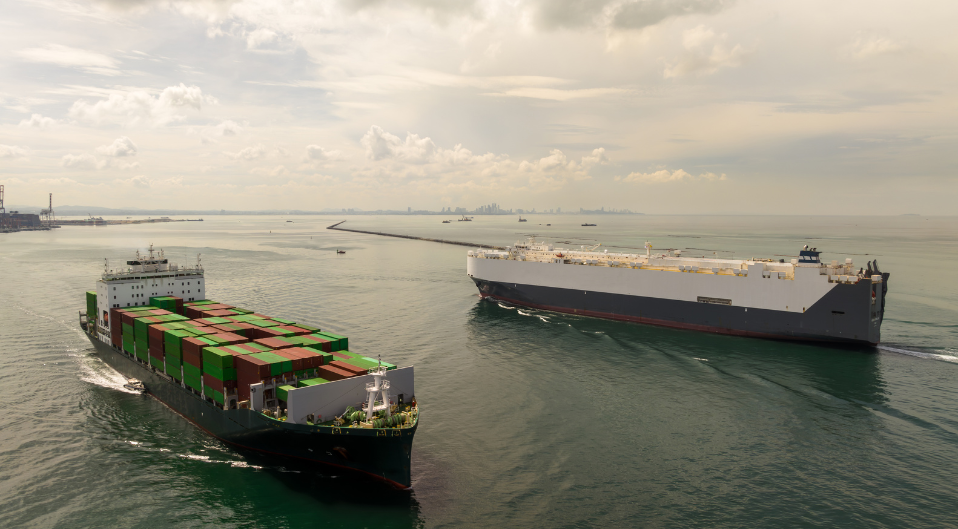
Chinese ports handle a substantial share of global container traffic, and so in the lead up to Chinese New Year, these ports will see a surge of outbound cargo.
After the holiday, congestion can start to build again as all of the backlogged cargo begins to move through the system and carriers reposition containers and ships. This disruption unfortunately isn’t localised. Delays at origin ports can affect the schedules of vessels worldwide and cause problems with port congestion, truck availability, and warehouse operations at multiple destination markets - including the UK.
How Can You Prepare For Chinese New Year 2026?
Although there will always be some level of disruption throughout the holiday period, the best way to minimise effects is pre-planning and preparation. By planning ahead, communicating clearly with suppliers and logistics partners, and building some flexibility into your supply chains, you should be able to reduce the impacts on your business.
Remember to also budget for potential cost increases and longer lead times in order to avoid any nasty financial surprises further down the line, and consider alternative shipping routes or methods where possible.
As always, if you need additional support or have any questions about how to navigate shipping during Chinese New Year, then our customer support team will be happy to help. Or, check out our import from China page for more information.